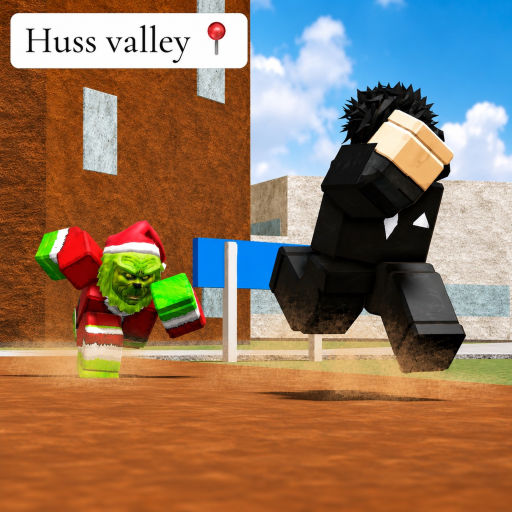
Escape Huss Valley How to Escape: Chase Routes and Recovery
Follow escape huss valley how to escape guidance to create space, read exits, use sprint deliberately, recover from bad turns, and avoid route mistakes.
The escape huss valley how to escape starts with one rule: Escape by creating distance before committing to a route, keeping another exit available, and recovering early when the planned line becomes unsafe. The focus is chase routes and recovery, with decisions you can repeat instead of vague advice. Use the live interface whenever a menu, requirement, reward, or availability can change.
Create Space Before Choosing the Next Route
Escape by creating distance before committing to a route, keeping another exit available, and recovering early when the planned line becomes unsafe. Before pressure builds, decide what you are watching for and what result would count as improvement. That small decision keeps the topic connected to actual play instead of turning it into a checklist you forget as soon as the round begins.
This walkthrough is useful for seeing how the topic fits into real rounds. Watch the movement and menu transitions, then compare them with the checklist below rather than copying every choice blindly.
A good routine is deliberately narrow. Change one input, route choice, or spending decision at a time, then observe whether the result improves. If several things change together, you cannot tell which one helped and the same problem usually returns.
Turn Sprint into a Timing Tool
Use this sequence as the working route for the page:
- Look ahead before using maximum movement.
- Use LeftShift when separation will create a real route choice.
- Change direction before a lane is fully closed.
- After a failure, identify the first bad decision rather than the final hit.
The order matters because it moves from confirmation to action and then to review. It also protects you from committing resources or movement before the game has shown the information needed for that decision.
Recover Early from a Bad Direction
The escape huss valley how to escape is most useful when each decision point has a clear check. The table keeps those checks compact without pretending that an unsupported price, rate, or hidden value is known.
| Decision point | Recommended check | Why it matters |
|---|---|---|
| Threat is distant | Read exits and preserve options | Avoids premature commitment |
| Threat is closing | Sprint toward visible space | Turns speed into useful separation |
| Route collapses | Recover to the nearest open connection | Limits panic movement |
Read the rows as a loop rather than a permanent ranking. The right move depends on what the live game shows and what failed in the previous attempt. When that bottleneck changes, the recommendation should change with it.
Review the Failure Without Overcorrecting
Holding forward and hoping speed solves the chase is unreliable. The stronger habit is alternating between distance creation and route selection, with the camera showing the next decision before you reach it. Keep the review practical and short:
- Threat is distant: Read exits and preserve options Avoids premature commitment.
- Threat is closing: Sprint toward visible space Turns speed into useful separation.
- Route collapses: Recover to the nearest open connection Limits panic movement.
Return to the escape huss valley how to escape after a few attempts and revise only the step that no longer matches the live situation. That creates steady progress without turning one guide into a rigid rule for every account or every round.
For the live game and developer-published description, open Escape Huss Valley on Roblox. Recheck that source whenever an interface, requirement, reward, or feature no longer matches the archived evidence used here.
FAQ
What does the escape huss valley how to escape recommend first?
Start with the first confirmation step, then make one purposeful change tied to the problem you can actually observe. The guide is designed to produce a repeatable decision, not a one-time guess.
Should sprint be held all the time?
Use the relevant official control, location, or live interface described above, then verify the result before moving to the next action. Avoid relying on an old screenshot when the game can display the answer directly.
What should you review after failing?
Review the decision point that failed first, not merely the last thing visible before the run ended. That makes the next test focused and prevents random changes from hiding the real cause.